The Life of Jute Bag-Making Laborers: Stories of Resilience and Craftsmanship
Jute, often called the “golden fiber,” is a natural, biodegradable material that has long been a cornerstone of sustainable packaging and handicraft industries. At the heart of this thriving sector lies the hard work and dedication of jute bag-making laborers. These individuals, often working in small workshops or community cooperatives, are the unsung heroes behind the eco-friendly alternatives to plastic bags. But their lives, filled with both challenges and triumphs, remain largely unseen. Here, we delve into the stories of resilience, craftsmanship, and perseverance of these artisans.
Early Mornings and Long Days
For most jute bag-making laborers, the day begins at dawn. Many live in rural areas where they juggle household responsibilities before heading to workshops or factories. Women form a significant portion of the workforce, balancing their professional duties with caregiving roles. Their mornings often involve preparing meals, getting children ready for school, and ensuring household chores are completed.
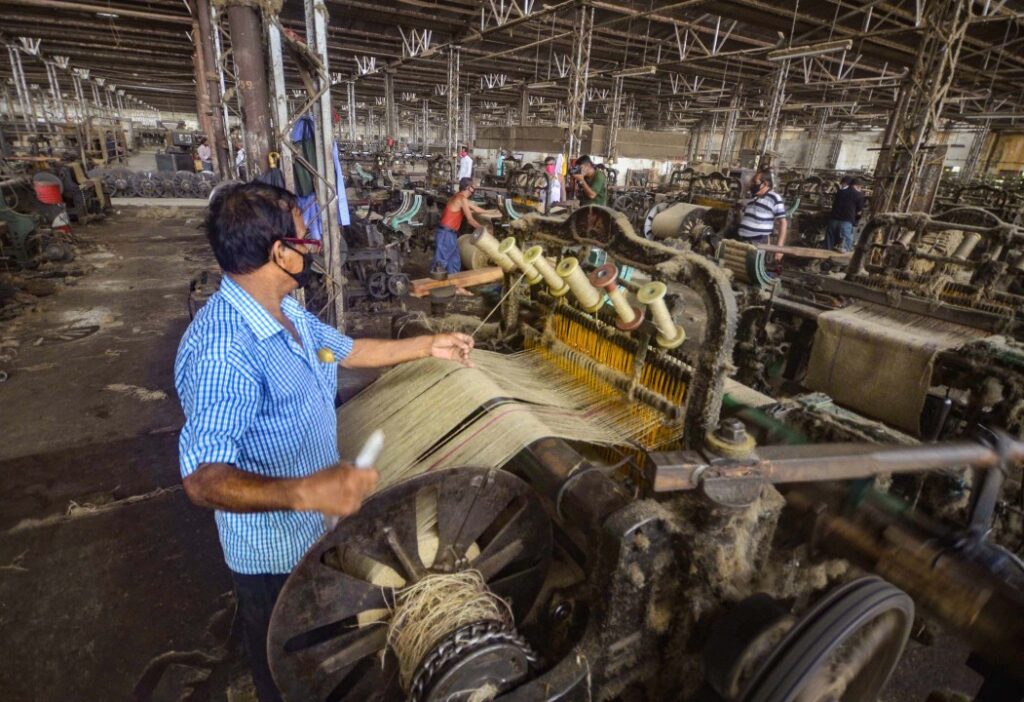
Once they reach the workspace, whether it is a factory floor, a small cooperative, or even their homes, the work begins. Cutting, stitching, weaving, and finishing jute bags is a labor-intensive process that demands precision and patience. Each step requires attention to detail, as the quality of the final product depends on the care taken at every stage.
The Craftsmanship Behind Every Bag
The process of making jute bags is a blend of artistry and skill. It begins with sorting raw jute fibers, followed by cutting and designing patterns for the bags. Skilled laborers use sewing machines or manual stitching techniques to assemble the bags. For decorated or branded bags, additional steps include screen printing or hand painting, which require an eye for detail and a steady hand.
The artisans often take immense pride in their work, knowing that their creations contribute to the global fight against plastic pollution. However, this pride is tempered by the realities of their working conditions. Limited resources, outdated machinery, and physically demanding tasks can make their jobs arduous. Despite these challenges, the laborers persevere, driven by the need to support their families and communities.
Challenges Faced by Jute Bag Laborers
- Low Wages: Many jute bag laborers earn modest wages that barely cover basic necessities. The pay often does not reflect the skill and effort required for their work.
- Inconsistent Work: Demand for jute bags can be seasonal, leading to periods of uncertainty and financial strain for workers.
- Health Risks: Continuous exposure to dust from jute fibers and long hours in poorly ventilated spaces can lead to respiratory problems and other health issues.
- Limited Access to Education and Training: Many laborers lack opportunities to improve their skills or advance their careers, leaving them trapped in a cycle of low-income work.
Community and Resilience
Despite these challenges, there is a strong sense of community among jute bag laborers. Many work in cooperatives or family-run businesses where mutual support and shared knowledge foster a spirit of solidarity. Some organizations and NGOs are stepping in to provide training, fair wages, and better working conditions, offering hope for a brighter future.
A Call for Recognition and Support
The growing global demand for sustainable products presents an opportunity to uplift jute bag-making laborers. Fair trade practices, ethical sourcing, and increased investment in modernizing workshops can significantly improve their quality of life. Consumers can also play a role by choosing brands that prioritize the welfare of their workers.
Conclusion
The life of a jute bag-making laborer is one of perseverance and quiet dignity. These individuals contribute significantly to sustainability efforts worldwide, yet their work often goes unrecognized. By shedding light on their stories, we can not only celebrate their craftsmanship but also advocate for better conditions and fair opportunities. Supporting jute bag laborers is not just about appreciating a product; it is about valuing the hands that create it and the lives that depend on it.